How many quarters in basketball remains one of the most common questions among new fans because the sport’s format differs across leagues, levels, and international competitions. Many people assume the structure is universal, yet the number of quarters reflects a deeper design aimed at pacing, athlete performance, and audience engagement. The modern format also ties closely to broadcasting requirements and the historical evolution of basketball as a global sport. Viewers often notice variations across the NBA, college basketball, and FIBA games, which creates understandable confusion for newcomers. Understanding how many quarters in basketball provides clarity on why the game flows the way it does and why the structure continues to influence strategies on and off the court.
Why Basketball Uses a Quarter-Based Format
The quarter system exists to divide the match into manageable segments that balance player endurance, team strategy, and viewer excitement. Basketball is a fast paced, high intensity sport, and consistent breaks are needed to maintain fairness and prevent excessive fatigue. From a strategic perspective, quarters create multiple reset points where coaches can adjust offensive and defensive approaches. These transitions ensure that teams cannot rely solely on early momentum but must continuously adapt. When fans ask how many quarters in basketball, they are indirectly asking why the sport remains committed to a segment based approach that blends athleticism with tactical depth.
Television networks also benefit from quarter breaks because they create predictable windows for commercials, analysis, and planned broadcast moments. In professional leagues, game structure plays a significant role in revenue generation and scheduling. Quarter breaks help networks maintain consistent pacing, which keeps audiences engaged across entire broadcasts. This business aspect is one reason major organizations continue using the quarter system rather than experimenting with fewer interruptions. The commercial value contributes to continued attention on how many quarters in basketball because it shapes the sport’s modern presentation.
How Many Quarters In Basketball Across Major Leagues
1. NBA Format
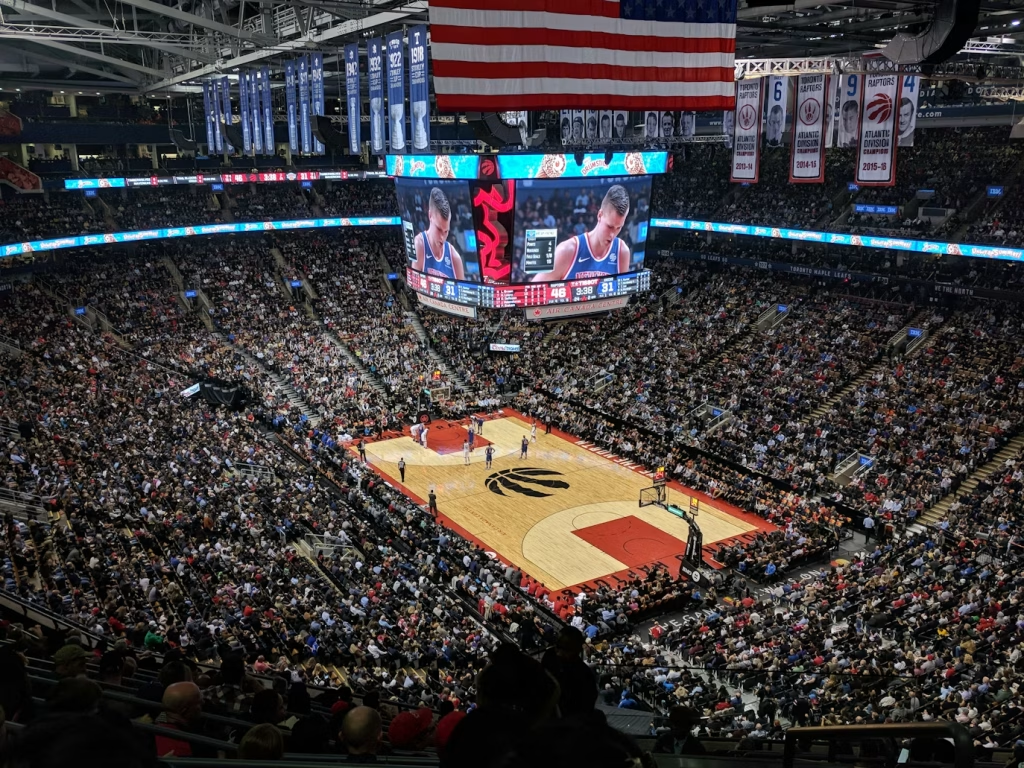
In the National Basketball Association, a standard game includes four quarters, each lasting twelve minutes. This creates a total of forty eight minutes of playing time, not including stoppages. The NBA adopted this format early in its history to accommodate athletic demands and entertainment value. Commercial breaks, timeouts, and halftime extend the full running time to more than two hours. For new fans wondering how many quarters in basketball, the NBA provides the most widely recognized benchmark.
2. WNBA and NBA G League
Both leagues follow the same four quarter structure, also with twelve minute segments. The consistency helps unify American professional basketball and simplifies broadcasting logistics. Although gameplay speed differs between leagues, the framework remains identical. These similarities reduce confusion for viewers transitioning between leagues. Discussions about how many quarters in basketball often start with comparing the NBA to its sister leagues.
3. NCAA College Basketball
College basketball uses two halves instead of four quarters, with each half lasting twenty minutes. This makes college games unique compared to professional formats. The NCAA maintains this system to preserve tradition and differentiate the collegiate identity. Fans often do not realize that rule variations extend beyond only the number of quarters or halves. The NCAA format also contributes to ongoing questions about how many quarters in basketball and why systems differ.
4. FIBA International Rules
FIBA, the governing body for international basketball, uses four quarters of ten minutes each. This shorter format reflects global preferences for tighter pacing. The difference between NBA and FIBA timing significantly impacts strategy, clock management, and overall scoring dynamics. International tournaments such as the Olympics use the FIBA structure. These variations continue to fuel curiosity about how many quarters in basketball across countries and competitions.
Why Basketball Did Not Choose Halves as the Universal Format
Some sports divide gameplay into two halves with minimal major breaks, but basketball evolved differently because its pace demands more regulated rest and reset points. Shorter segments help prevent player burnout and reduce injury risk during back to back competitions. Quarters also add strategic windows for adjustments, halftime speeches, and momentum shifts that enhance entertainment value. Coaches benefit from structured time intervals that guide substitution patterns and matchup changes. These factors explain why leagues that adopt a quarter system rarely revert to halves, reinforcing discussions surrounding how many quarters in basketball and why the format remains essential.
Audience behavior also influenced the quarter model. Fans respond strongly to high intensity stretches of action when they know pauses are coming soon. This pattern increases spectator engagement both in arenas and at home. Sports producers use these breaks to build narrative arcs around comebacks, rivalry moments, and highlight sequences. The quarter system became a storytelling tool as much as a competitive structure.
How Game Structure Shapes Player Performance
Players train based on the number of quarters because energy distribution, conditioning, and tactical awareness shift depending on the format. Four quarter systems encourage controlled bursts of speed and well timed rests, allowing teams to maintain consistent intensity. Coaches must consider how many minutes individual players can handle before fatigue affects decision making. Endurance management becomes a core part of elite basketball strategy. Many performance analysts discuss how many quarters in basketball when examining athlete workload.
Shorter quarters in FIBA games require faster rotations and more aggressive pacing. Longer quarters in the NBA enable extended runs but require more disciplined stamina management. College halves, in contrast, change substitution patterns because players must survive longer stretches before major breaks. Each structure influences how teams build their roster, training schedule, and in game approach. Understanding these dynamics clarifies why there is no single universal answer to how many quarters in basketball globally.
Why Different Leagues Use Different Quarter Lengths
League history, tradition, television contracts, and international rule standards all shape game structure. The NBA’s twelve minute quarters reflect a long standing balance between viewer expectations and competitive rhythm. FIBA focuses on global consistency and shorter game times to accommodate international tournaments. College basketball maintains halves because the league values legacy and believes the format enhances its identity. These differences contribute to ongoing interest in how many quarters in basketball because each model has strong reasoning behind it.
The variation also reflects market needs. American audiences expect longer, more narrative driven broadcasts. International audiences prefer more compact games focused on speed and technical execution. College sports emphasize academic athletics and tradition over commercial optimization. The result is a multi layered basketball ecosystem where how many quarters in basketball depends entirely on the governing body.
The Hidden Purpose Behind Basketball’s Quarter Design
Five core reasons explain why quarters remain central to modern basketball, presented here as expanded insights:
- Pacing Management
The quarter system ensures smoother pacing across the match. It prevents long periods of exhaustion and maintains viewer engagement. Teams use these intervals to correct tactics and prepare counter strategies. Players benefit physically from predictable rest cycles. This structure contributes to questions about how many quarters in basketball because pacing differs across leagues. - Broadcast Integration
Television networks rely on quarter breaks for analysis and advertisements. These pauses fund league operations and enhance viewer experience. The rhythm of breaks also supports predictable scheduling. Broadcasters can build narratives more effectively through structured segments. The quarter format therefore influences how many quarters in basketball makes sense commercially. - Strategic Complexity
Each quarter creates opportunities for shifts in momentum, lineup changes, and tactical resets. Coaches rely on these intervals to adjust to opponent behavior. Game tension rises as teams react dynamically to each segment. This episodic flow heightens drama and unpredictability. The result reinforces interest in how many quarters in basketball as part of the sport’s structure. - Athlete Performance Optimization
Quarters support safe workload management by breaking games into digestible segments. Physiological recovery improves between intervals. Teams avoid excessive fatigue that could cause injury. Sports scientists design conditioning programs around these segments. This shows why how many quarters in basketball connects to player wellbeing. - Global Rule Variability
Different organizations adopt quarter lengths that match cultural norms, tournament schedules, and market preferences. The result is a flexible system adaptable to various competitive environments. These variations create a rich diversity in gameplay styles. Fans learn to distinguish formats through exposure to different leagues. This diversity explains the persistent question about how many quarters in basketball worldwide.
Conclusion
Understanding how many quarters in basketball offers insight into the sport’s evolution, competitive strategy, and global adaptation. The quarter based system exists not only for tradition but also for athlete safety, broadcasting efficiency, and fan engagement. While the NBA, FIBA, and NCAA use different structures, each format reflects deliberate choices shaped by culture, economics, and performance needs. The variety enriches basketball rather than creating confusion. Knowing how many quarters in basketball ultimately deepens appreciation for how the game flows and why it remains one of the most captivating sports worldwide.